The Future Of Energy Storing Devices Is Here

Red Bricks

RED BRICKS

Energy can be stored in various mediums like hydroelectric dams, rechargeable batteries, thermal storage including molten salts which can efficiently store and release very large quantities of heat energy, and compressed air energy storage, flywheels, cryogenic systems. But with the rapid growth of technology energy can now be stored in bricks as well. Let’s see how.

Learn more

Red Bricks as Energy Storing Units

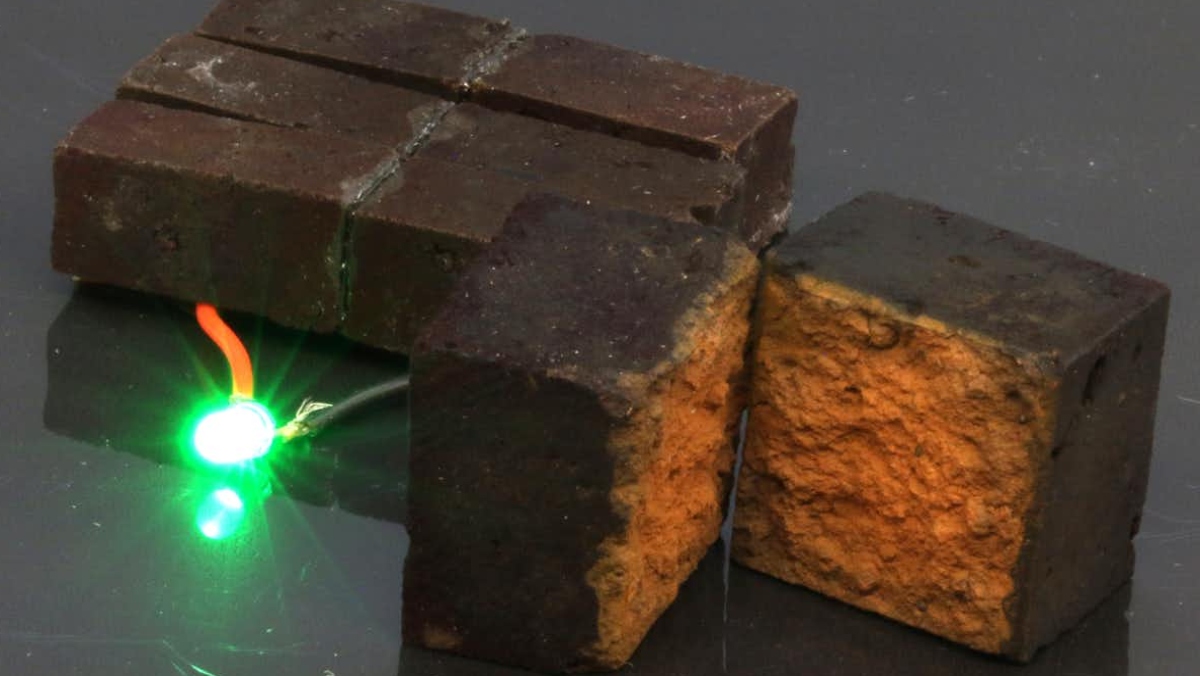
Red bricks, some of the world's cheapest and most familiar building materials can be converted into energy storage units. This implementation of future technology is an efficient way to store energy as per a paper in Nature Communications. These ‘smart bricks’ are charged to store electricity, sort of a battery, till needed for powering devices.

Fired brick has been used as an artefact for thousands of years, however, has seldom found the other use. Walls and buildings created out of bricks already occupy giant amounts of area that can be higher used if given a dual-purpose.

The Emergence of This Efficient Storage Device

In an artificial research lab, researchers have found out the way to convert the red pigment in common bricks into a plastic that conducts electricity. These brick supercapacitors can be connected to star panels to store reversible energy. Supercapacitors store charge, in distinction to batteries, that store energy.

Why Brick was Chosen to Store Energy

Brick’s porous structure is good for storing energy since pores provide greater brick area than solid materials have, and therefore the bigger the area the additional electricity a supercapacitor material will hold.

Bricks are red as a result of the clay they’re made of which contains an iron chemical compound, higher called rust, that is additionally necessary for storing energy.

How Bricks Store Energy

The pores in bricks are filled with acid vapour that dissolves the iron chemical compound and converts it to a reactive kind of iron that creates a chemical synthesis. Further distinct gas is allowed to flow through the cavities to fill them with a sulfur-based material that reacts with iron. This chemical process leaves the pores coated with an electrically conductive plastic, also known as PEDOT.